
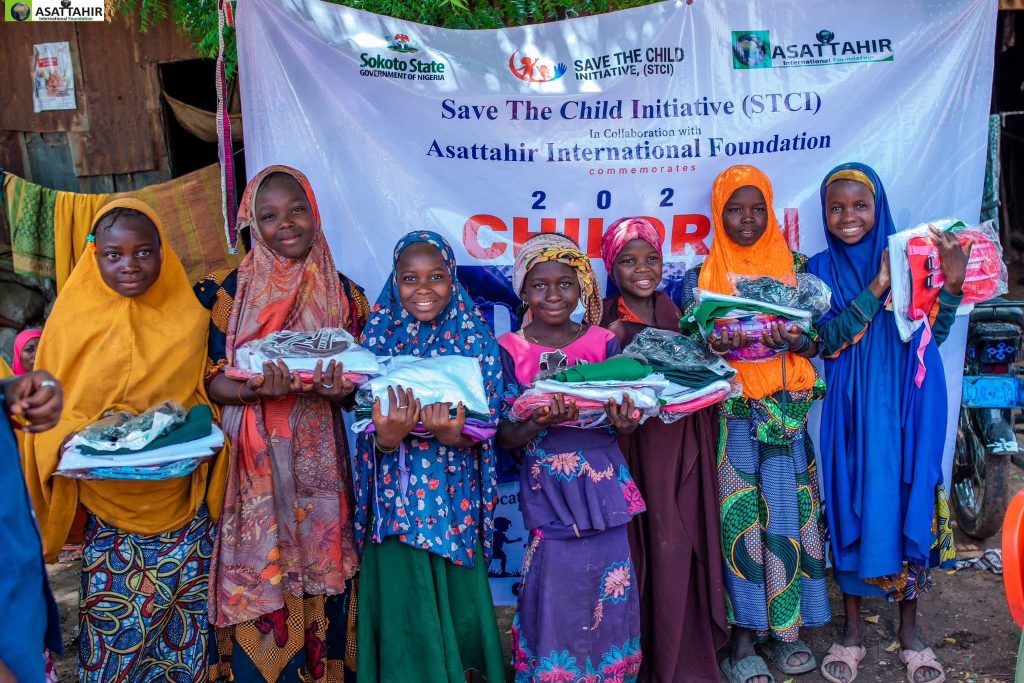

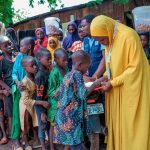
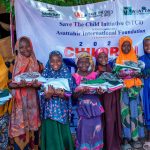
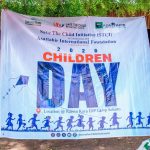
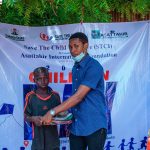
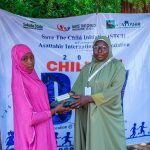
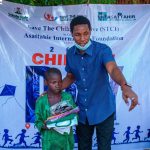
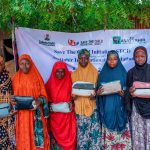
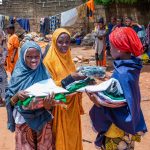
On the 6th of June 2026, ASATTAHIR International Foundation (AIF), in collaboration with Save the Child Initiative (STCI), commemorated the 2026 Children’s Day at Ramin Kura Internally Displaced Persons (IDP) Camp in Sokoto state. The event was organized to celebrate children, promote their rights, and strengthen awareness on child protection, education, and hygiene practices among displaced communities.
The program featured a series of impactful activities aimed at improving the wellbeing of children in the camp. A key component of the event was a sensitization session on Menstrual Hygiene Management (MHM), which was specifically designed for adolescent girls. The session focused on promoting proper menstrual hygiene practices to enhance dignity, health, and school attendance among girls in the IDP camp.
Children were also engaged in an educational awareness session where they were sensitized on the importance of education as a vital pathway to a better future, particularly for displaced and vulnerable children.
The commemoration further included recreational and cultural activities, during which the children participated in song presentations and other performances. These activities created a lively and inclusive environment that encouraged participation and supported the psychosocial wellbeing of the children.
As part of the intervention, Menstrual Hygiene Management (MHM) kits were distributed to 30 adolescent girls, which included reusable sanitary pads and undergarments. Similarly, school uniforms, school bags, exercise books, and sandals, washing soaps, sweets, and balloons were distributed to 40 in-school boys and girls to further enhance their engagement and wellbeing.
The intervention was designed to promote proper menstrual hygiene management, reduce barriers to education among displaced children, and improve overall hygiene practices within the IDP camp. It also aimed at enhancing school attendance, restoring dignity for adolescent girls, and providing psychosocial support through recreational engagement.
This collaboration demonstrated our openness to partnerships and our strong commitment to improving the lives of vulnerable and displaced children, while also contributing to reducing barriers to education and promoting better hygiene management in the community.