
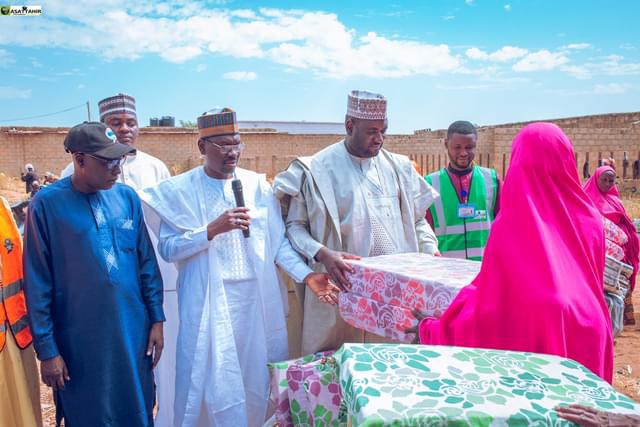
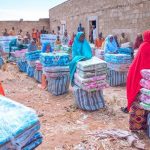
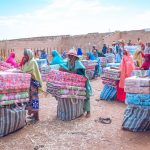
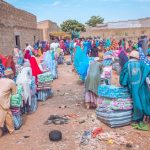
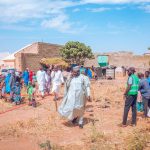
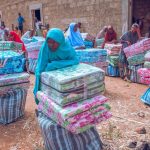
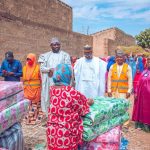
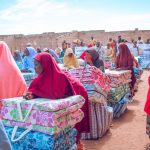
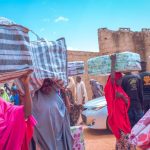
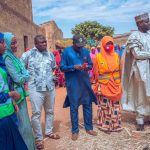
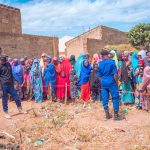
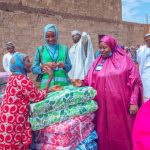
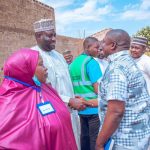
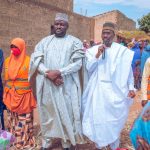
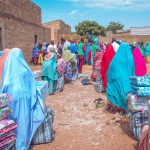
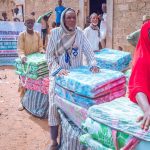
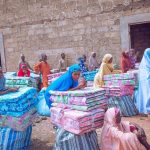
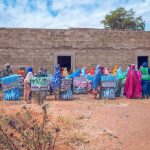
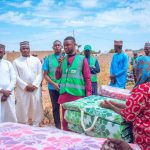
Following the successful distribution of emergency shelter kits and non-food items in Ramin Kura IDP Camp and IDPs in Bodinga LGA, ASATTAHIR International Foundation (AIF) with support and funding from the Danish Refugee Council (DRC) Nigeria, distributed yet another set of non-food items to IDPs/refugees in Gwiwa Eka IDP Camp.
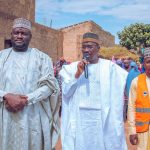
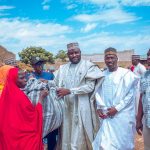
Witnessing the distribution exercise were representatives of SEMA and security agencies.
In his remarks , the Executive Secretary of the Foundation Prof. Yahaya Tanko Baba sympathized with the beneficiaries for the difficulties they are experiencing after their forceful and circunstantial displacements.
The Founder and Chairman Board of Trustees of ASATTAHIR International Foundation, Aliyu Sidi Attahiru thanked representatives of various MDAs in the state for supporting the Foundation for the successful distribution of the items to the targeted beneficiaries.
He also commended the beneficiaries for their patience and perseverance throughout the rigorous screening process. He thanked the various units of AIF for their diligence, professionalism and recourse to due process in all the stages of the intervention.
Various functionaries of the state government and development partners expressed satisfaction with the management of the intervention. They commended DRC for committing resources in support of the vulnerable groups in the state and applauded ASATTAHIR International Foundation for its professional conduct, which set the pace for humanitarian interventions in the state.
A total of 44 Internally Displaced Persons (IDPs) benefited from the intervention in Gwiwa Eka IDP settlement, which puts the total number of beneficiaries of emergency shelter kits and non-food items in the state at 170.
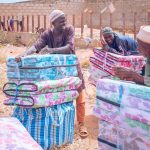
The items distributed include Matrasses, trays, cups, blankets, sleeping mats, reusable sanitary pads, cooking pots, knifes, service spoons, washing soaps, Jerry cans, plastic kettles, mosquito nets and big carrying bag.
The beneficiaries were thankful to ASATTAHIR International Foundation and DRC for the intervention in their livelihoods.